
On October 23, 1956, in Budapest, the largest demonstration occurred in front of the Parliament. In the large square in front of the monumental building there was room for tens of thousands of people. I went there by myself, not with an…
1956 was a very special year. In the first few days of January, an early morning streetcar derailed and plunged from the Margit Bridge into the Danube. A few days later, Budapest was shaken awake at daybreak by the earthquake…
EXPECTATIONS The summer and fall of 1956 were full of excitement and expectations in Hungary. Matyas Rakosi, “Stalin’s Best Disciple” resigned from the Central Committee of the Hungarian Communist Party, euphemistically named the “Hungarian Workers’ Party,” in July .The month of August…
Remembrance of the Cold War given on Veterans Day, November 11, 2005 at Rutgers University By the time the Radio had broadcast at two o’clock on October 23 the Government’s decree forbidding any demonstrations, the column of marching students from the…
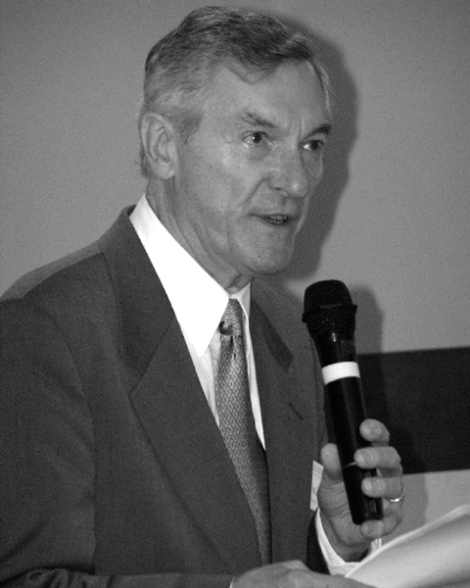
Liberty, democracy, human rights are like health. Servitude, oppression, discrimination are like sickness. Totalitarian tyranny is death. A revolution that overthrows tyranny and achieves liberty is a resurrection. During the last week of October and the first few days of November, 1956,…
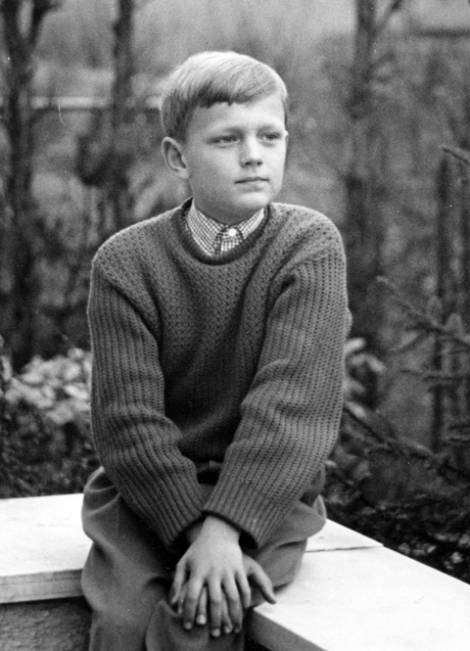
Much of Hungary’s twentieth century history – both tragic and inspiring – is reflected in the complex story of the Maléter family. Paul Maléter’s parents, Mária and Pál, came from families who knew each other well in the city of…
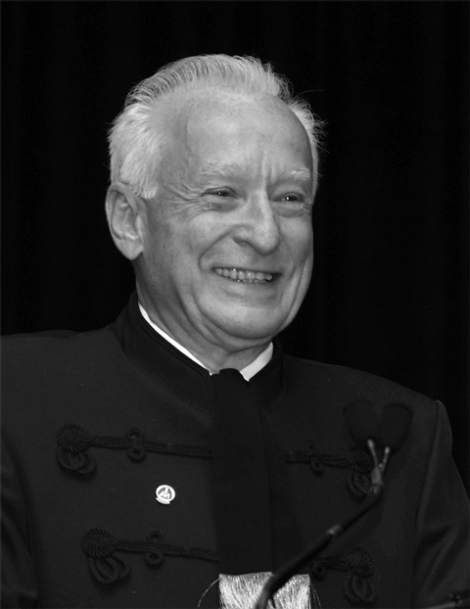
In January 2005, the Hungarian daily newspaper, Népszabadság, published an article by Katalin Jánosi, Imre Nagy’s granddaughter, who described her reaction to a recent film by Márta Mészáros, “The Unburied Dead.” Katalin Jánosi was a small child when she witnessed the…
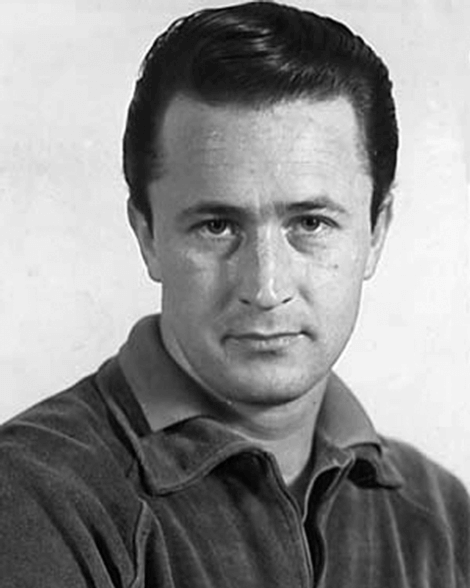
In the autumn of 1956, a small nation along the banks of the Danube stood up almost to a man, woman and child and struggled for a breath of freedom.
This story tells of this struggle. But it is not the real…
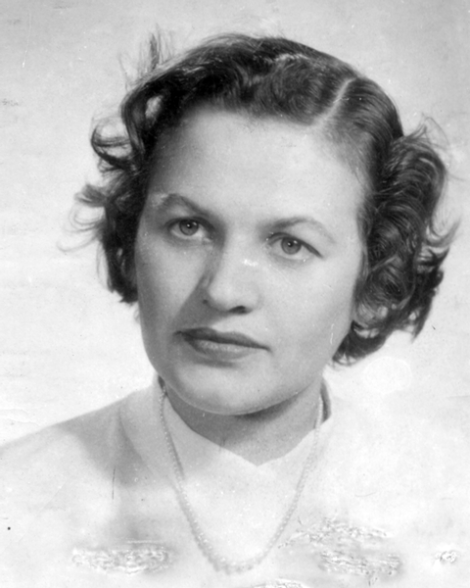
Print version
Precursor to history For me the Revolution started in 1955, when the members of the choir and the orchestra of the Liszt Academy of Music wanted to perform for the first time Zrinyi’s “Szózat” on the birthday of its composer,…
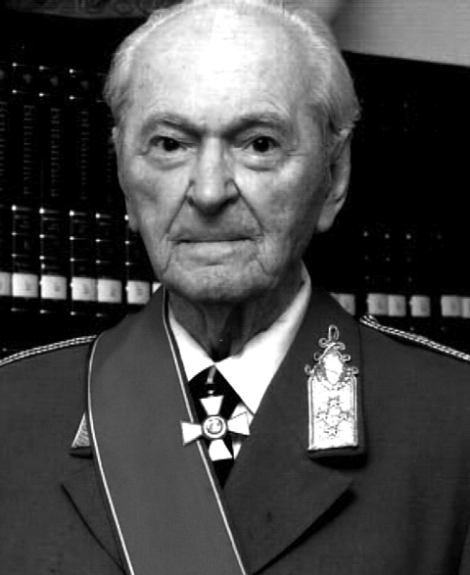
The Revolution of 1956, because it was so unexpected, because of its sequence of events, because of the triumph of youth guided not by persons or organizations, but by the very spirit of freedom, the collapse of the allegedly invincible Communist power,…